
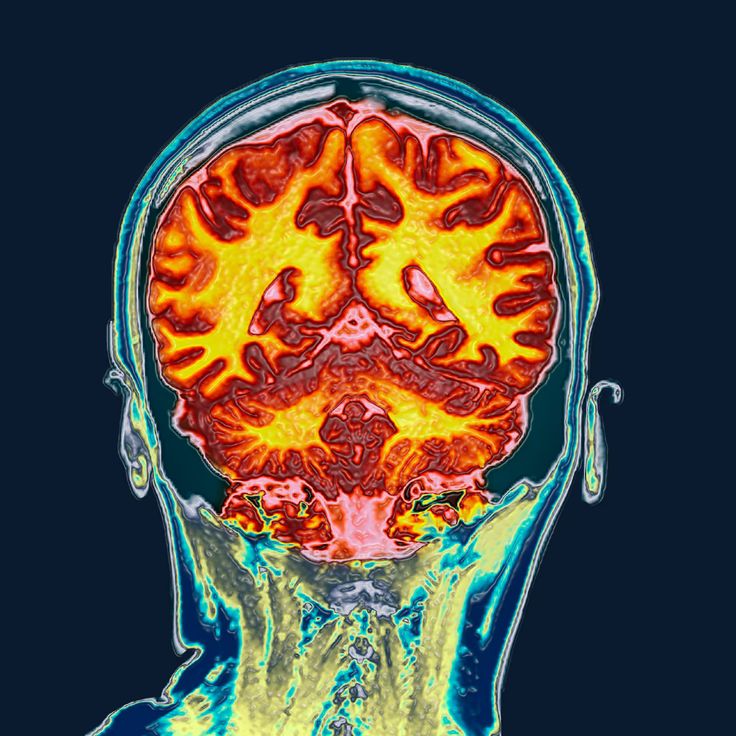
Speech, not guessed. measured.
Which is why neurological conditions leave their mark on speech.
Yet, speech is still judged by ear.
Ears can lie. Numbers don't.
ARC-1 helps with exactly that.
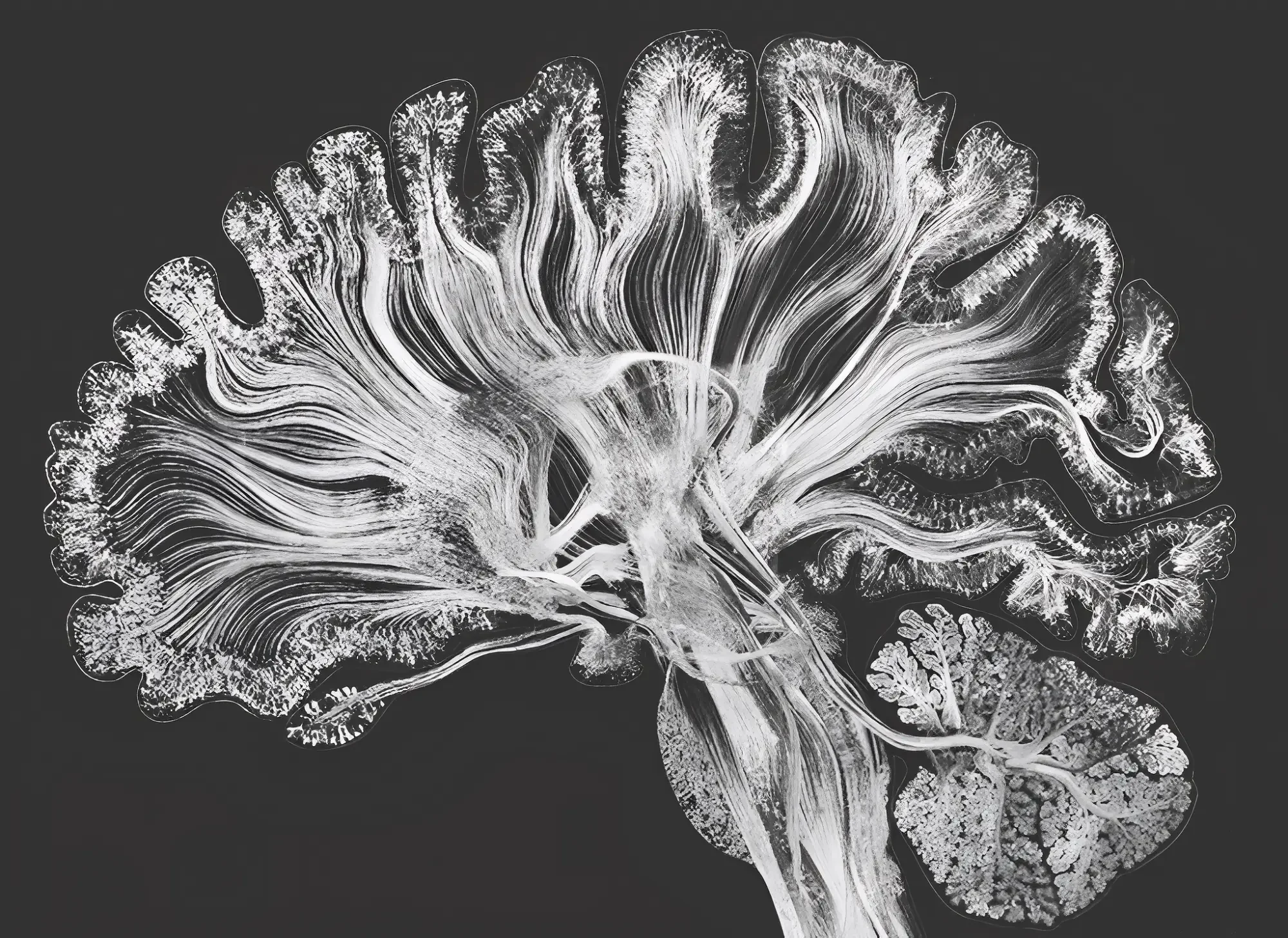
Breath. Muscle. Timing. Thought.
All arriving at once, in a single word.
ARC-1 is a headset designed to hear only the person speaking, filtering out the noise around them.
From a few short speech tasks, it calculates the speech biomarkers and turns them into clear graphs, so changes are easy to see and analyse over time.
Built like an instrument.
Too often the patient has to fit the tool. ARC-1 is built the other way round: every part of it is designed around the patient's comfort, so the measurement fits them.
Made to fit the patient
A working instrument, a filed patent, and the study that proves it is designed.
- Working instrument, 14 measures with documented mathematics
- Patent filed · SISFS funded
- Incubated at TBIF, IIT Ropar and CCIE
- 11 lab demonstrations secured
- Ethics approval and test licence in progress
Milestones
The people behind the instrument.
Founders


Advisors
 Photo
 Photo
 Photo
 Photo
 Photo
Keerti Bhusan Pradhan
Chitkara University · Tata Institute of Social Sciences
Keerti Bhusan Pradhan on LinkedIn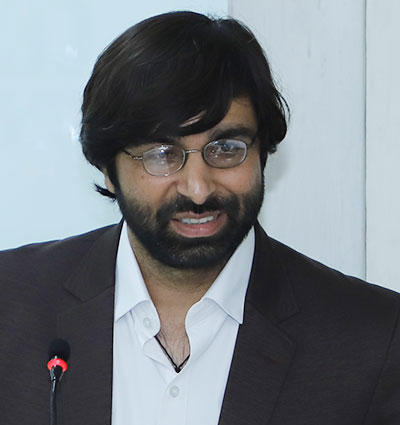 Photo
Collaborators



( Notes from ARC Labs )
Press Release
Coming soon
Placeholder article. The opening paragraph carries the lede — who, what, and why a reader who has never heard of the company should keep going past the first line.
The second paragraph gives the context the lede skipped: the size of the problem, the people it affects, and the reason this particular approach is worth a column of newsprint.
Then the quote. Coverage almost always turns on one line from a founder or a clinician, set on its own, and it is usually the line that gets screenshotted and passed around afterwards.
A paragraph of detail follows: what the instrument actually measures, over what window, and what a clinician does with the number once it exists. Technical, but written for a general reader.
Here the piece widens out. Other groups working on the same question, what they have published, and where this work sits among them — the paragraph that keeps the story from reading like a press release.
A second quote lands about here, usually from someone outside the company: an advisor, a clinician who has used it, or a researcher willing to say what is and is not proven yet.
The caveats paragraph. What the data does not yet show, which populations have not been covered, and what would have to be true before any of this belongs in routine care.
A paragraph on what happens next: the trials, the approvals, the partnerships, and the timeline the company is willing to put its name to in print.
The closing paragraph returns to the person the piece opened with, because that is how these are written, and leaves the reader with the sentence the editor chose the headline from.
Swap all of this for the real excerpt when the coverage lands. The card shows only the first few lines; everything here is what opens when a reader clicks through.
Publication
Section · Month 2026
Read article
Placeholder article. The opening paragraph carries the lede — who, what, and why a reader who has never heard of the company should keep going past the first line.
The second paragraph gives the context the lede skipped: the size of the problem, the people it affects, and the reason this particular approach is worth a column of newsprint.
Then the quote. Coverage almost always turns on one line from a founder or a clinician, set on its own, and it is usually the line that gets screenshotted and passed around afterwards.
A paragraph of detail follows: what the instrument actually measures, over what window, and what a clinician does with the number once it exists. Technical, but written for a general reader.
Here the piece widens out. Other groups working on the same question, what they have published, and where this work sits among them — the paragraph that keeps the story from reading like a press release.
A second quote lands about here, usually from someone outside the company: an advisor, a clinician who has used it, or a researcher willing to say what is and is not proven yet.
The caveats paragraph. What the data does not yet show, which populations have not been covered, and what would have to be true before any of this belongs in routine care.
A paragraph on what happens next: the trials, the approvals, the partnerships, and the timeline the company is willing to put its name to in print.
The closing paragraph returns to the person the piece opened with, because that is how these are written, and leaves the reader with the sentence the editor chose the headline from.
Swap all of this for the real excerpt when the coverage lands. The card shows only the first few lines; everything here is what opens when a reader clicks through.
Publication
Interview · Month 2026
Read article